
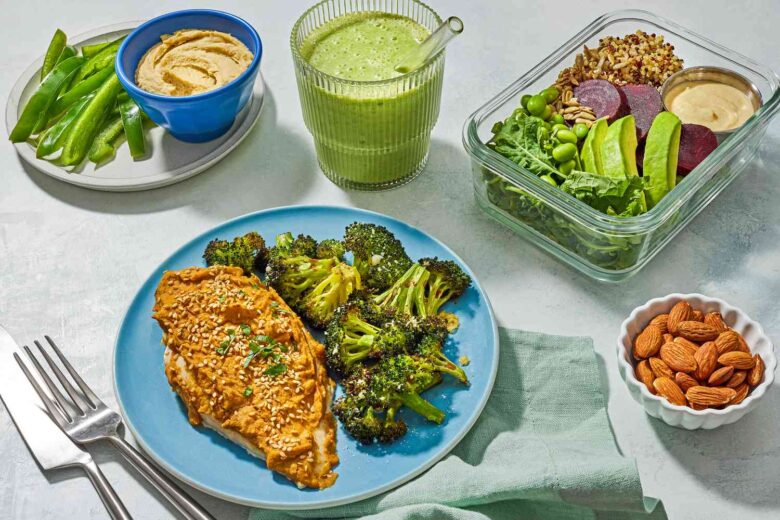
Creating a diet plan sounds simple—until you actually try to follow one. I’ve been there: writing down a “perfect” meal plan, sticking to it for two days, and then completely falling off track. Either it was too strict, too boring, or just didn’t fit my daily routine.
The truth is, a diet plan only works if it fits your real life. Not a celebrity’s routine, not a fitness influencer’s schedule—yours. Once I stopped chasing perfection and started focusing on sustainability, everything changed. I had more energy, fewer cravings, and yes—real results.
If you want a daily diet plan that actually works (and sticks), here’s how to build one step by step.
Why Most Diet Plans Fail
Before creating a successful plan, let’s understand what usually goes wrong:
-
Plans are too restrictive
-
Meals are unrealistic or time-consuming
-
No flexibility for cravings or busy days
-
Ignoring personal preferences and lifestyle
A working diet plan should feel natural—not like punishment.
Step-by-Step Guide to Create a Daily Diet Plan
1. Start with Your Goal (Be Clear but Realistic)
Ask yourself:
-
Do you want to lose weight?
-
Maintain your current weight?
-
Gain muscle or improve energy?
Your goal will shape your food choices and portion sizes.
Tip: Keep goals realistic. Instead of “lose 10 kg fast,” aim for steady, healthy progress.
2. Build Balanced Meals (The Simple Formula)
Every meal should include:
-
Protein: Keeps you full (eggs, chicken, lentils, yogurt)
-
Carbohydrates: Provide energy (rice, roti, oats, fruits)
-
Healthy fats: Support overall health (nuts, seeds, olive oil)
-
Fiber: Aids digestion (vegetables, whole grains)
Simple Plate Method:
-
Half plate: Vegetables
-
Quarter: Protein
-
Quarter: Carbs
Personal Insight: Once I started balancing my meals instead of cutting foods, I felt satisfied longer and stopped unnecessary snacking.
3. Plan Your Meals Around Your Routine
Your diet should match your daily schedule—not the other way around.
Example:
-
Busy mornings → Quick breakfast (smoothie, eggs, oats)
-
Long work hours → Easy-to-carry lunch
-
Evening cravings → Healthy snacks ready
Tip: If you skip breakfast often, don’t force it—adjust your plan realistically.
4. Set Fixed Meal Times (But Stay Flexible)
Eating at consistent times helps regulate hunger and metabolism.
Basic structure:
-
Breakfast
-
Lunch
-
Dinner
-
1–2 healthy snacks
Flexibility matters: Life happens—missing one meal won’t ruin your progress.
5. Include Foods You Actually Enjoy
A diet plan without your favorite foods won’t last.
-
Love rice? Keep it—just control portions
-
Enjoy tea? Have it with less sugar
-
Crave sweets? Allow small portions occasionally
Insight: The moment I stopped banning foods, I stopped binge eating.
6. Stay Hydrated Throughout the Day
Water plays a huge role in digestion, metabolism, and hunger control.
Simple habit:
-
Drink a glass of water before meals
-
Keep a bottle nearby all day
Example: I realized many of my “hunger cravings” were actually dehydration.
7. Prep Ahead to Stay Consistent
Planning ahead reduces unhealthy choices.
Easy prep ideas:
-
Chop vegetables in advance
-
Cook meals in batches
-
Keep fruits and nuts ready for snacks
Tip: Even 20 minutes of prep can save you from ordering junk food later.
Sample Simple Daily Diet Plan
Here’s a practical example you can adjust:
Breakfast:
Oatmeal with fruits and nuts OR eggs with whole-grain toast
Mid-morning snack:
Fruit or yogurt
Lunch:
Roti/rice + vegetables + chicken/lentils + salad
Evening snack:
Green tea + handful of nuts
Dinner:
Light meal (vegetables + protein like eggs or beans)
Optional:
Warm milk or herbal tea before bed
Practical Tips for Success
-
Eat slowly and mindfully
-
Don’t multitask while eating
-
Adjust portions based on hunger
-
Focus on consistency, not perfection
Common Mistakes to Avoid
-
Skipping meals to “save calories”
-
Following extreme or trendy diets
-
Ignoring portion sizes
-
Not adjusting plan when it’s not working
Real-Life Example
Before:
Random eating, skipping meals, overeating at night
After:
Simple structured meals, hydration, balanced portions
Result:
Better energy, fewer cravings, and gradual weight improvement—without stress
FAQs About Creating a Diet Plan
1. Do I need to count calories?
Not necessarily. Focusing on balanced meals and portion control is enough for most people.
2. How long should I follow a diet plan?
A good diet plan should become your lifestyle—not a temporary fix.
3. Can I eat out while following a diet plan?
Yes. Choose healthier options and control portions.
4. What if I break my diet plan?
It’s normal. Get back on track with your next meal—don’t quit entirely.
5. Is meal timing important?
Consistency helps, but overall food quality and quantity matter more.
Conclusion: Build a Diet Plan That Fits Your Life
A daily diet plan that works isn’t about strict rules—it’s about balance, flexibility, and consistency. When your meals match your lifestyle, include foods you enjoy, and support your health goals, staying on track becomes easy.
Start simple. Adjust as you go. And most importantly, focus on building habits you can follow long-term. That’s the real secret to a diet plan that actually works.